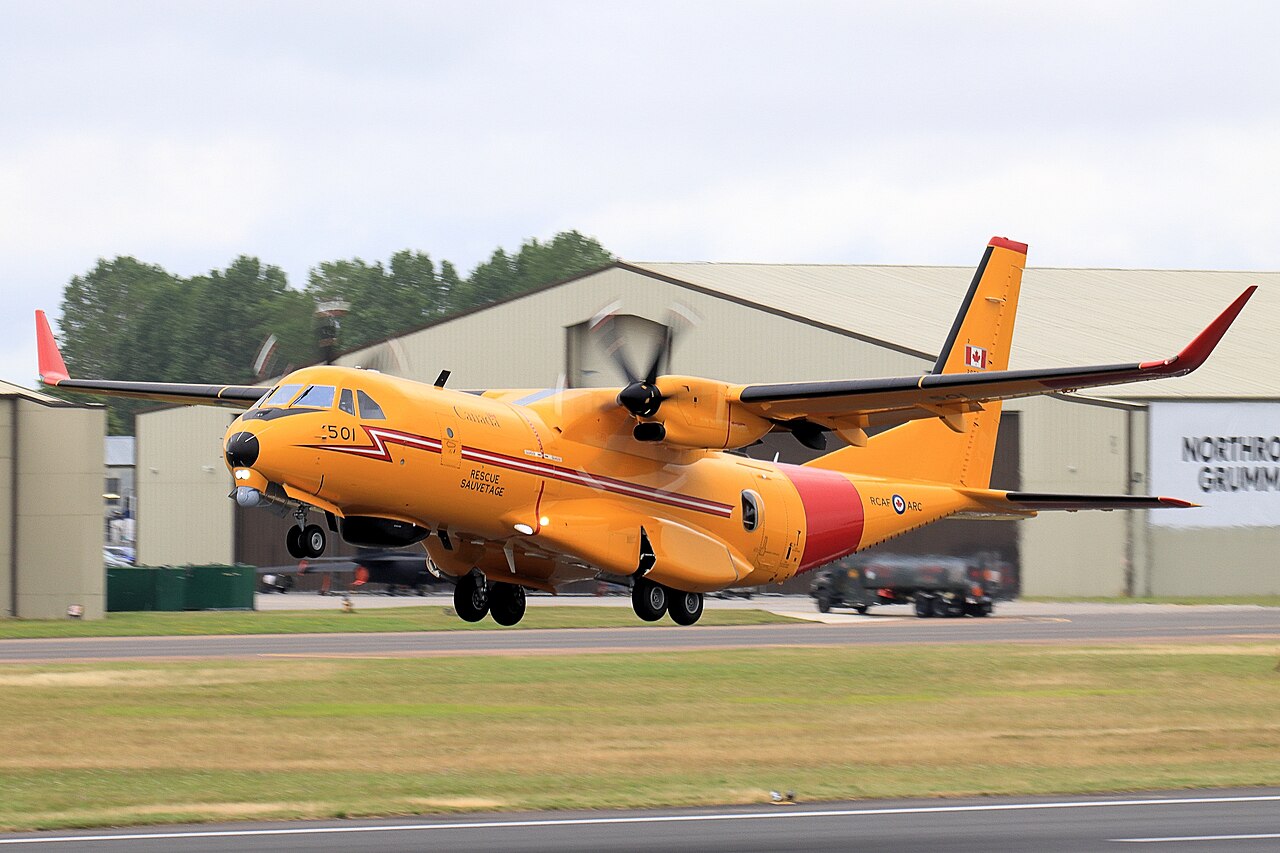
The Crew Annunciation System example is especially useful. The backgrounder describes deficiencies requiring software or hardware development, testing and certification. That makes the evidence chain concrete: identify the intended function, investigate the deficiency, define the correction, demonstrate the revised design and obtain the applicable disposition. The public account also covers publications, training and support work. Those activities matter to introduction into service, while answering different questions from design compliance. The backgrounder does not publish the full certification basis, every TDE finding or the internal approval record.
Why this case matters
The CC-295 case is substantial because it follows a public account of the actual Canadian configuration rather than inventing a certification story. DND’s May 2022 backgrounder describes an established C295 design and more than thirty changes to meet Canadian search-and-rescue requirements. It explains how integration, correction, testing and certification affected the programme. Read it as a historical account of work and uncertainty at that time, not as a statement of the aircraft’s present status.
Follow the evidence
Trace one change from need to evidence
Start with the Canadian SAR need rather than with a generic statement that the aircraft was certified. Ask what a changed feature is intended to do, which baseline assumptions it affects and what requirement or safety argument must be satisfied. Establish the implemented version, the test conditions, the acceptance criteria and the report disposition. The public CAS example supports the idea that corrections can require development, testing and certification; it does not provide the internal requirement-to-evidence matrix. Build a fictional matrix for practice and label it accordingly.
Keep technical and readiness work connected
A corrected cockpit function can affect crew understanding and associated training or publications. Coordination matters because a design change and its support information should describe a consistent configuration. The purpose of each workstream still differs. A technical report substantiates a design claim; training prepares people to use it; publications communicate the applicable instructions; support arrangements sustain it. A project dashboard should show the dependencies without collapsing them into a single certified label. This makes a briefing both more precise and easier to understand.
Read a historical source as historical evidence
The May 2022 backgrounder explains the programme at a particular time. The current project page provides later milestones, including operational service in May 2025. Neither page is a complete certification record. In a learning answer, identify the date when discussing an issue and avoid implying it remains unresolved today. Separate a supported historical fact from the hypothetical follow-on exercise and from details the public record does not establish. That approach teaches source judgement as well as the airworthiness concept.
Twelve-minute project workshop
Training scenario — not an actual project decision
Training scenario informed by the public case: a fictional SAR configuration has changed mission equipment and revised crew indications. A correction improves one alerting function but changes software configuration. The team has baseline aircraft evidence, an earlier alerting-system report and draft training material. Prepare a meeting brief showing what each item supports and the gaps that remain. The correction and evidence package in this exercise are invented; they do not describe undisclosed CC-295 project events.
- Spend three minutes separating base-aircraft evidence, Canadian differences and the proposed correction.
- Spend four minutes making a requirement-to-evidence chain for one alerting function, including the test configuration and report status.
- Spend three minutes separating design compliance, crew training, publications and support readiness into distinct workstreams.
- Spend two minutes checking the date and scope of the public sources before writing a conclusion about the actual project.
Compare your reasoning
Useful baseline evidence can coexist with Canadian integration work. A correction needs an identified configuration and relevant substantiation; an earlier report cannot automatically cover a changed implementation. Training and publications are essential readiness work but do not replace the technical approval argument. The project page provides later milestones, so a 2022 delay explanation must not be presented as current status. Where the public sources do not establish a specific TDE decision or certification-basis detail, say that the detail is not available in this account.
Keep your worksheet as an optional learning aid. It is not submitted or graded. The practice below has no pass mark and does not affect core course completion.
Sources and further reference
- Technical Airworthiness Manual
TAM — current manual and structure
- Airworthiness Design Standards Manual
ADSM — recognized standards and certification approaches
- CC-295: design changes, testing and certification
DND backgrounder, May 2022 — historical project account
- Fixed-wing search and rescue project
DND — project milestones and scope
Four questions a project must keep distinct
These workstreams interact, but success in one does not automatically establish the others. They are not four sequential gates.
Design certification
Does the design meet its applicable requirements?
Identify the design configuration, basis, substantiation and applicable approval or disposition.
Equipment or device qualification
Is the item suitable for its defined purpose?
Qualification depends on the item, intended use and governing scheme. A qualified simulator is not an aircraft type certificate.
Contractual acceptance
Have the agreed deliverables been accepted?
Acceptance answers a contract question. Receiving aircraft, manuals or training devices does not itself establish every airworthiness approval.
Operational readiness
Can the organization perform the mission?
People, training, publications, support and operational approvals must align with the actual capability and configuration.
CC-295 Kingfisher
The Canadian SAR configuration is the focus of the case. Follow one design difference through requirements, correction, testing and the applicable disposition.