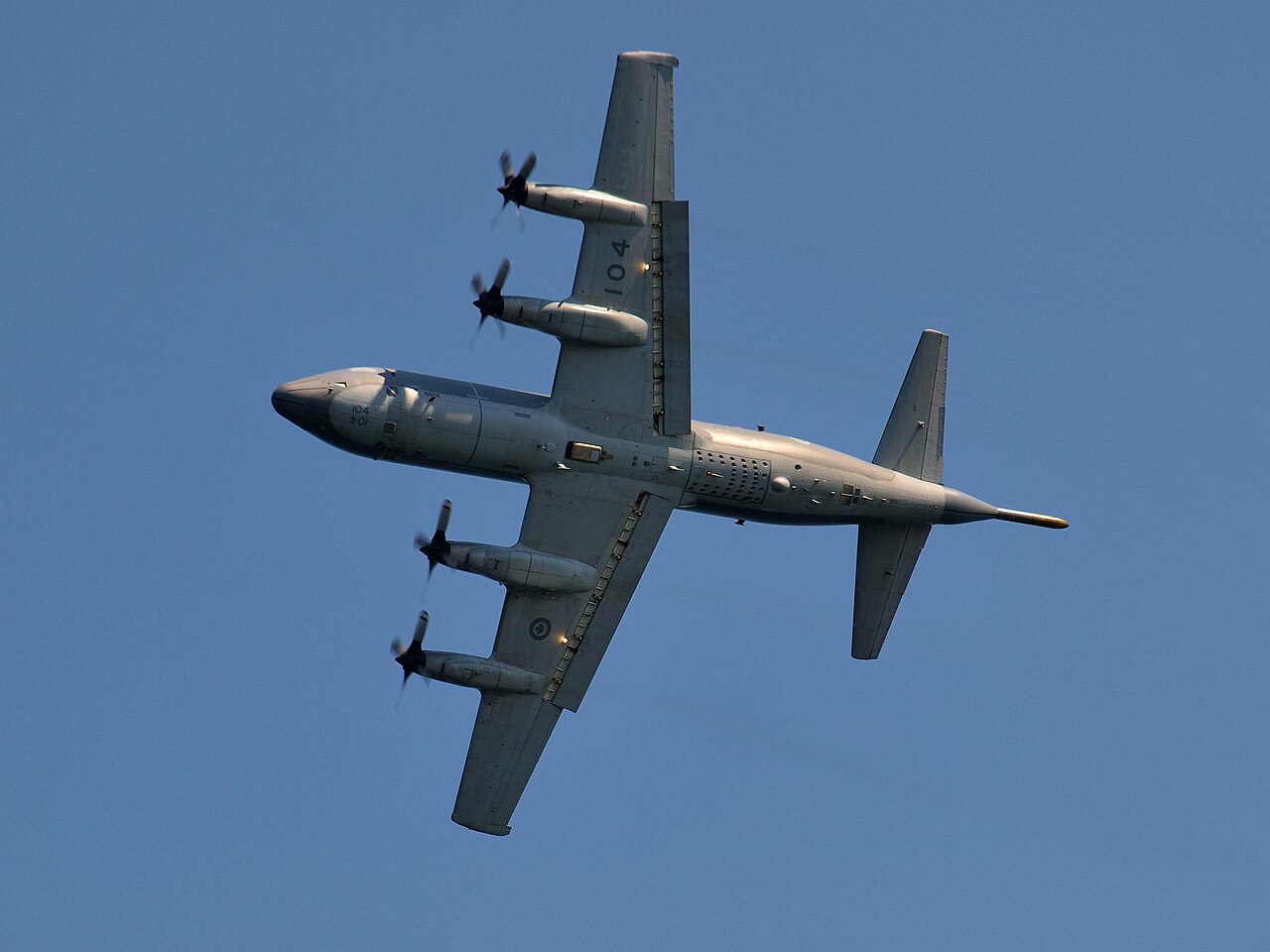
Structural changes must be understood against the life and usage assumptions they support. Mission-system changes must be understood against their functions, interfaces and configuration. Both need controlled records and relevant continued-airworthiness provisions. A new wing or system does not make the entire aircraft technically new. DND’s project account identifies the work, while detailed approval conclusions require the applicable technical record. Resist reducing life extension to a single extra-hours number detached from configuration, usage and maintenance conditions.
Why this case matters
The CP-140 shows why modernization and structural life extension deserve separate explanations. DND describes the Aurora Incremental Modernization Project and Aurora Structural Life Extension Project as distinct work. Mission-system improvements and structural replacements can contribute to an aircraft’s future capability, but their evidence and continued-support questions differ. A completed procurement activity is not a reason to stop tracking the technical assumptions in service.
Follow the evidence
Usage Is the Currency of Aging
The TAM's advisory material on Aging Aircraft Assessment instructs programs to weigh fleet age, years remaining to the estimated life expectancy (ELE), and the probability of an ELE extension when sizing the usage-monitoring effort - and allows comparable OEM, civil, or foreign-service programs to fulfill the requirements subject to TAA consultation. The reason is visible in Canada's own fleet history: the CP-140 Aurora approached its 20,000-hour fatigue-life limit early because RCAF usage rates were roughly double those of other P-3 operators. A fatigue life is consumed by spectrum, not by calendar; two fleets with identical airframes can be decades apart in structural age. This is why Annex A mandates individual-aircraft fatigue monitoring rather than fleet-average bookkeeping - the high-time tail numbers, not the average, drive the findings, the inspections, and ultimately the life-extension business case.
The CP-140's twin lesson is data before decision. The fleet's structural problem was not discovered by a crack; it was discovered by arithmetic - usage monitoring showing consumption at roughly double the rates of other P-3 operators. That is Annex A working as designed: individual-aircraft fatigue monitoring turned an invisible divergence into a program decision years before the structure would have announced it. Fleets without the monitoring discover the same divergence in the hangar, as findings - a far more expensive way to learn. The TAM advisory note on sizing monitoring effort by fleet age, years to ELE, and extension probability is, in effect, the regulator telling programs to buy their data before they need it.
Twelve-minute project workshop
Training scenario — not an actual project decision
Training scenario: a fictional patrol fleet completes structural replacement and receives a new mission-system baseline. Operations then propose a different mission profile. One briefing says that the project completion date means the aircraft no longer needs an ageing review. Another says every prior analysis must be discarded. Prepare a more useful recommendation that retains applicable evidence and examines the changed usage.
- Spend three minutes separating modernization, structural replacement and continued operations.
- Spend four minutes listing usage assumptions, configuration records and continuing tasks relevant to the new mission profile.
- Spend three minutes mapping the changed profile to evidence needing an applicability review.
- Spend two minutes explaining why neither project completion nor blanket rejection of old data resolves the question.
Compare your reasoning
The aircraft needs an enduring configuration and support argument. Retain evidence that remains applicable, examine the changed operating profile and determine what further substantiation or programme adjustment is needed through the responsible process. Calendar age, flight hours and mission usage describe different aspects of exposure. The exercise does not prescribe a real CP-140 life limit or approval condition; those belong in the governing fleet record.
Keep your worksheet as an optional learning aid. It is not submitted or graded. The practice below has no pass mark and does not affect core course completion.
Sources and further reference
- Technical Airworthiness Manual
TAM — current manual and structure
- Airworthiness Design Standards Manual
ADSM — recognized standards and certification approaches
- CP-140 modernization and life extension
DND — AIMP and ASLEP project scope
Continuing airworthiness keeps the argument current
The evidence story continues after entry into service. Feed new information back into the assessment rather than treating the original certificate as the final answer.
Observe service
Usage, defects and findings
Capture what the fleet is actually experiencing, including usage that may differ from original assumptions.
Assess significance
Safety, configuration and assumptions
Determine which design, maintenance or operating assumptions may be affected and what assessment is needed.
Control the response
Applicable change or corrective process
Follow the applicable process for a change, instruction or other corrective action. Keep the evidence tied to its defined configuration.
Align the records
Configuration and support information
Ensure the aircraft, records and applicable instructions describe a consistent state.
Monitor again
Verify and learn from the outcome
Observe the result and continue monitoring. This feedback loop is a learning model; actual release requirements come from the applicable rules.
CP-140 Aurora
Mission modernization and structural life extension answer different questions, even when the programmes run alongside one another.